
Understanding Sciatica and Why It Affects So Many Limerick Residents
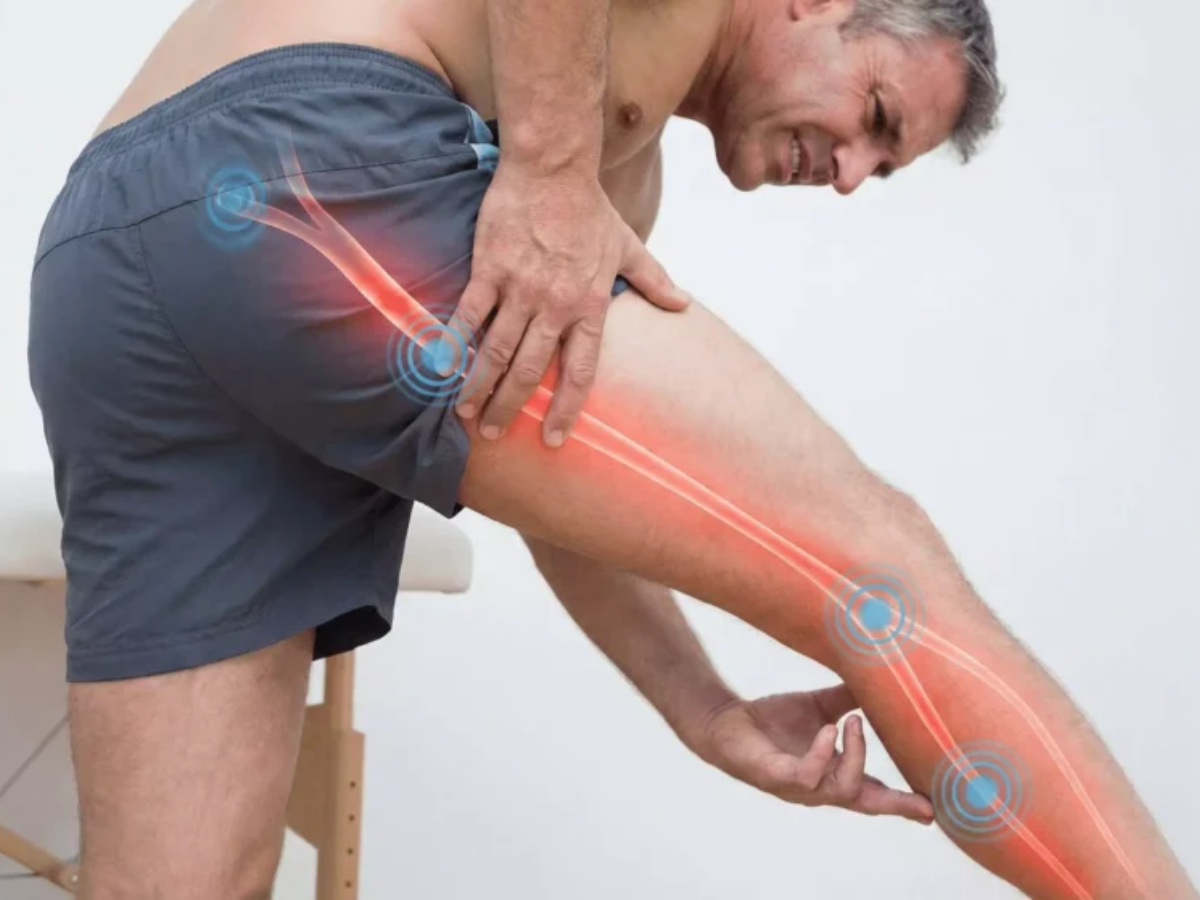
Sciatica is one of the most common conditions affecting adults in Limerick Township and surrounding Montgomery County communities. It often begins as a mild discomfort in the lower back but can quickly develop into sharp, radiating pain that travels through the hip, buttock, and down one leg. Many people first notice it while sitting at work, driving along Route 422, or standing up after long periods of inactivity.
At Keep It Kinetic Chiropractic, we frequently see Limerick residents dealing with sciatica due to a combination of modern lifestyle habits. These include long commutes to King of Prussia or Philadelphia, extended desk work, and active recreational lifestyles such as running, gym workouts, and sports on weekends. While these activities are healthy, they can place repetitive stress on the lower spine and hips, eventually irritating the sciatic nerve.
Sciatica itself is not a condition but a symptom of underlying nerve irritation. The sciatic nerve is the largest nerve in the body, running from the lower back through the hips and down each leg. When this nerve becomes compressed or inflamed, it produces pain that can range from mild to severe. Many patients describe it as a burning, electric, or stabbing sensation that only affects one side of the body.
Why Limerick Lifestyles Commonly Trigger Sciatica
One of the most important factors in understanding sciatica in Limerick is lifestyle. Many residents spend long hours commuting to nearby business hubs such as King of Prussia, often sitting in traffic along Route 422. Prolonged sitting places pressure on the lumbar spine and can gradually irritate spinal discs and nerves.
Office workers in the area often sit for eight or more hours per day, which can lead to poor posture, weakened core muscles, and tight hip flexors. Over time, this combination increases the likelihood of sciatic nerve compression.
On the other end of the spectrum, Limerick is also a highly active community. Many residents enjoy outdoor exercise on the Schuylkill River Trail, local parks, and fitness centers. While running, cycling, and strength training are excellent for health, improper form or overtraining can place stress on the lower back and hips. Exercises like squats, deadlifts, and repetitive running on uneven surfaces can contribute to sciatic irritation if the body is not properly conditioned.
How Sciatica Pain Typically Feels in Daily Life
Sciatica presents differently for each person, but most Limerick patients describe a similar pattern of symptoms. The pain often starts in the lower back or deep in the buttock and travels down the back or side of one leg. It may feel sharp, burning, or like an electric shock traveling through the nerve pathway.
Many people notice that sitting makes the pain worse, especially in cars or office chairs. Standing up or walking around may temporarily relieve symptoms, but the pain often returns once the pressure on the nerve resumes. In more advanced cases, individuals may also experience tingling, numbness, or weakness in the leg or foot.
These symptoms can interfere with everyday activities such as working, exercising, sleeping, or even simple tasks like bending or lifting objects. When left untreated, sciatica can become chronic and significantly impact quality of life.
The Difference Between Sciatica and Lower Back Pain
A common misunderstanding among patients is confusing sciatica with general lower back pain. While both conditions involve discomfort in the lower spine, they are fundamentally different.
Lower back pain is usually localized and stays within the back muscles or joints. Sciatica, on the other hand, involves nerve irritation, which causes pain to radiate down the leg. This radiating pattern is the key distinguishing feature.
Understanding this difference is important because sciatica requires a different approach to treatment. Simply resting or applying heat may not resolve the underlying nerve compression if the spinal alignment or disc pressure is not addressed.
Common Causes of Sciatica in Limerick Residents
Sciatica in the Limerick area is often caused by a combination of mechanical and lifestyle factors. One of the most common causes is a herniated or bulging disc in the lumbar spine. When a spinal disc shifts out of place, it can press against the nearby nerve roots and create inflammation.
Another major cause is prolonged sitting, which is especially common among office workers and commuters. Sitting for long periods increases pressure on the lower spine and can gradually weaken supporting muscles.
Muscle imbalances also play a role. Tight hip muscles, particularly the piriformis muscle, can irritate or compress the sciatic nerve. This is often seen in individuals who sit frequently but do not stretch or move regularly.
Active individuals in Limerick are also at risk. Runners on the Schuylkill River Trail, gym-goers performing heavy lifts, and recreational athletes may experience sciatica due to repetitive strain or improper movement mechanics.
Chiropractic Care Approach for Sciatica Relief
Chiropractic care focuses on addressing the root cause of sciatic nerve irritation rather than simply masking pain symptoms. At Keep It Kinetic Chiropractic, treatment is centered around restoring proper spinal alignment and improving nervous system function.
This may include spinal adjustments designed to reduce pressure on the affected nerve roots. By improving joint mobility and correcting misalignments, chiropractic care helps reduce inflammation and allows the body to heal naturally.
In addition to adjustments, care often includes pelvic alignment work to ensure the hips and lower spine are properly balanced. Soft tissue techniques may be used to reduce muscle tension in surrounding areas that contribute to nerve compression.
Corrective exercises are also an important part of recovery. These exercises help strengthen weak muscles, improve posture, and prevent future flare-ups. Over time, this combination of care helps patients return to normal activities without pain.
At-Home Relief Strategies for Limerick Residents
While professional care is often necessary for long-term recovery, there are several at-home strategies that may help reduce symptoms. Gentle walking is one of the most effective ways to keep the body moving without adding stress to the spine. Many patients find that walking in local areas such as the Schuylkill River Trail helps reduce stiffness and improve circulation.
Stretching the hips and hamstrings can also help relieve pressure on the lower back. Simple movements performed consistently are often more effective than intense stretching done occasionally. Taking frequent breaks from sitting is also important, especially for those working at desks or driving long distances.
Heat therapy may provide temporary relief by relaxing tight muscles around the lower spine. However, these methods are generally supportive rather than curative, especially if the underlying spinal issue remains uncorrected.
When Limerick Residents Should Seek Treatment
Sciatica should not be ignored if symptoms persist or worsen over time. If pain lasts longer than one to two weeks, begins to interfere with sleep or work, or is accompanied by numbness or weakness in the leg, it is important to seek professional evaluation.
Early treatment is important because prolonged nerve irritation can lead to chronic pain patterns that become more difficult to resolve over time. Addressing the issue early often leads to faster recovery and better long-term outcomes.
Frequently Asked Questions
What exactly is sciatica?
Sciatica is not a standalone condition but a symptom caused by irritation or compression of the sciatic nerve. This nerve runs from the lower back through the hips, buttocks, and down each leg. When it becomes irritated, it can cause pain that radiates along this pathway, often affecting only one side of the body.
What does sciatica pain feel like?
Most people describe sciatica as a sharp, burning, or electric-type pain that travels from the lower back into the leg. Some also experience tingling, numbness, or weakness in the affected leg or foot. The pain often worsens when sitting for long periods, driving, or bending forward.
How long does sciatica usually last?
The duration of sciatica varies depending on the cause. Mild cases may improve within a few days to a couple of weeks, especially with movement and proper care. More severe or chronic cases, particularly those involving disc issues or spinal misalignment, can last for several weeks or even months without targeted treatment.
Can sciatica go away on its own?
In some mild cases, sciatica may improve on its own with rest, movement, and time. However, if the underlying cause such as spinal misalignment, disc pressure, or muscle imbalance is not addressed, symptoms often return. This is why many patients experience recurring flare-ups.
What makes sciatica worse?
Sciatica is often aggravated by prolonged sitting, especially during long commutes on Route 422 or extended office work common in the Limerick area. Poor posture, heavy lifting, twisting movements, and lack of movement can also worsen symptoms. In some cases, even coughing or sneezing may temporarily increase pain due to spinal pressure changes.
Is walking good for sciatica?
Yes, in most cases gentle walking is beneficial for sciatica. It helps improve blood flow, reduces stiffness, and keeps the spine moving without excessive strain. Many patients in Limerick find that walking in places like the Schuylkill River Trail helps reduce symptoms. However, high-impact or intense exercise should be avoided during flare-ups.
Do I need surgery for sciatica?
Most cases of sciatica do not require surgery. In fact, the majority of patients respond well to conservative treatments such as chiropractic care, physical therapy, stretching, and lifestyle adjustments. Surgery is typically only considered in severe cases where there is significant nerve damage or loss of function.
When should I see a chiropractor for sciatica?
You should seek professional care if your pain lasts longer than one to two weeks, keeps returning, or begins to affect your ability to walk, sleep, or work. You should also seek care if you experience increasing numbness, weakness in the leg, or worsening radiating pain.
Can sitting too much cause sciatica?
Yes, prolonged sitting is one of the most common causes of sciatica in modern lifestyles. It increases pressure on the lower spine and can tighten surrounding muscles, especially in people who commute, work at desks, or drive frequently in and around Limerick and Pottstown.
What is the fastest way to relieve sciatica pain?
Short-term relief often comes from gentle movement, light stretching, and avoiding long periods of sitting. Heat therapy may also help relax tight muscles. However, long-term relief usually requires correcting the underlying spinal or muscular issue causing nerve irritation.
Conclusion: A Long-Term Solution for Sciatica in Limerick
Sciatica can significantly impact daily life, especially for active and commuting residents in Limerick Township. While the pain may feel overwhelming, it is often highly treatable when the underlying cause is properly addressed. Understanding how lifestyle, posture, and spinal mechanics contribute to nerve irritation is the first step toward lasting relief.
With the right combination of chiropractic care, movement correction, and lifestyle adjustments, many patients are able to reduce or eliminate symptoms and return to normal activity without discomfort.
If you are experiencing sciatica in Limerick, Pottstown, or surrounding Montgomery County areas, you do not need to manage it alone. Early care can make a significant difference in recovery and long-term spinal health.
📍 Address: 3254 W Ridge Pike, Suite 202, Pottstown, PA 19464
📞 Phone/Text: 484.455.4664
📠 Fax: 484.455.4498
📧 Email: KeepItKineticChiro@gmail.com
🌐 Website: https://www.kikchiro.com/
Take the first step toward lasting relief with Keep It Kinetic Chiropractic and start addressing the root cause of your sciatica today.
