Guided Rehabilitation Programs for Lasting Recovery: Your Path to a Stronger, Pain‑Free Life
In today’s fast-paced world, injuries, chronic pain, and post-surgical recovery are common challenges that affect people of all ages. Whether you’re dealing with a sports-related injury, recovering from an auto accident, healing after surgery, or managing chronic musculoskeletal issues, finding the right rehabilitation program is essential for achieving lasting results. Many people rely on medications, passive treatments, or generic exercise routines, but these approaches often provide only temporary relief and fail to address the root cause of the problem.
At Keep It Kinetic Chiropractic in Pottstown, PA, we take a different approach. Rehabilitation is more than just exercises—it’s a guided, personalized journey designed to restore function, reduce pain, and prevent re-injury. Our programs combine expert assessment, hands-on therapy, and tailored exercise plans that strengthen muscles, improve mobility, and retrain movement patterns. By focusing on both the underlying causes of pain and the functional goals of each patient, guided rehabilitation not only promotes healing but empowers individuals to regain confidence and control over their health. With a structured, supportive, and evidence-based approach, our patients experience lasting, life-changing recovery that enables them to return to the activities they love—stronger, healthier, and pain-free.
What Are Guided Rehabilitation Programs?
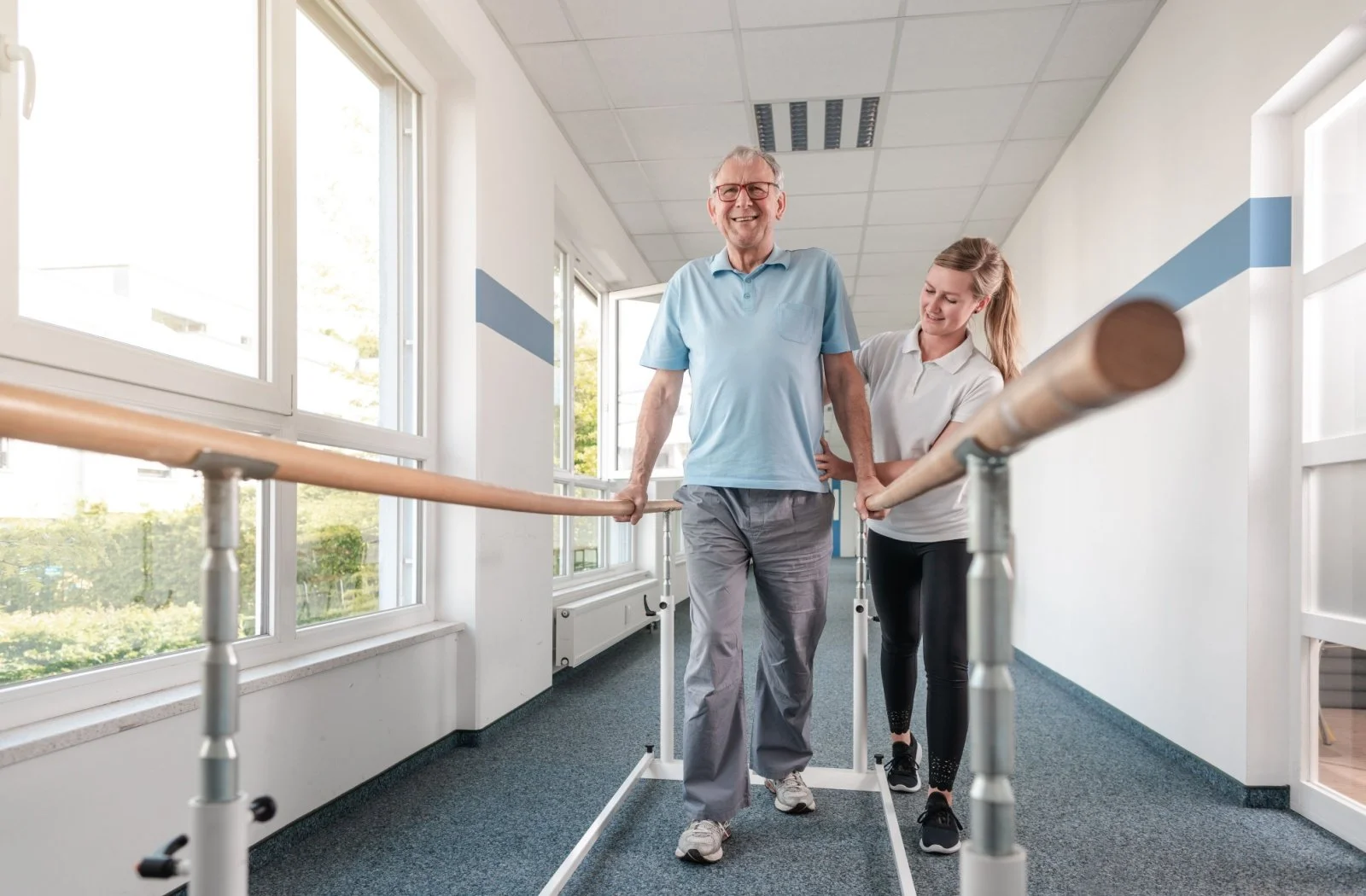
Guided Rehabilitation Programs are structured, customized treatment plans designed to help people recover from injury, surgery, or chronic pain. Unlike generic exercise routines found online or in fitness apps, guided programs are:
✅ Personalized according to your goals, limitations, and lifestyle
✅ Supervised by skilled clinicians, including chiropractors, rehab specialists, and therapists
✅ Focused on restoring strength, mobility, balance, and function
✅ Designed for lasting recovery, not just temporary relief
Guided rehabilitation integrates clinical assessments, therapeutic exercises, manual therapy, and continuous progress evaluation, making it a comprehensive approach to healing. By targeting the underlying causes of pain rather than just the symptoms, patients experience sustainable results.
Key Benefits of Guided Rehabilitation
Choosing a guided rehabilitation program offers numerous advantages:
✔ Faster and Safer Recovery
Personalized plans minimize the risk of re-injury and ensure you progress at a safe pace. Each exercise and therapy is carefully selected to match your condition.
✔ Improved Movement Patterns
Incorrect movement patterns often contribute to injury. Guided rehabilitation corrects these patterns, ensuring you move efficiently and safely.
✔ Pain Reduction Without Medication
Guided rehab focuses on active healing techniques, reducing the reliance on pain medications or injections.
✔ Functional Strength
You gain strength that’s specific to your daily activities, sports, or occupational needs.
✔ Confidence and Empowerment
Knowing why you are doing each exercise and how it benefits your recovery helps you stay motivated and committed to your health.
✔ Long-Term Injury Prevention
Guided rehab not only addresses current issues but also trains your body to avoid future injuries.
How Guided Rehabilitation Differs from Traditional Treatment
Many traditional treatments focus solely on short-term relief. This includes passive therapies, medications, or generic exercise programs that don’t consider individual needs.
Guided rehabilitation, on the other hand, is a comprehensive, active, and personalized approach:
Traditional TreatmentGuided RehabilitationGeneric exercise sheetsPersonalized plans based on assessmentPassive therapy onlyActive movement, manual therapy, and progressive exercisesFocused on short-term painAddresses root causes and long-term recoveryLittle follow-up or adjustmentRegular assessment and customized adjustmentsOne-size-fits-all approachTailored to your unique needs and goals
By combining hands-on care, guided exercise, and education, guided rehabilitation treats the cause of dysfunction, not just the symptoms.
What to Expect in a Guided Rehabilitation Program
At Keep It Kinetic Chiropractic, each patient undergoes a thorough evaluation before starting their guided rehabilitation journey:
A. Initial Evaluation
Comprehensive assessment of posture, alignment, and movement
Strength and flexibility testing
Evaluation of pain patterns and limitations
Identification of muscle imbalances or joint restrictions
B. Personalized Treatment Plan
Your program may include:
Therapeutic exercises for strength, mobility, and stability
Manual therapy including chiropractic adjustments and soft tissue techniques
Neuromuscular re-education and functional training
Targeted rehabilitation for specific joints or injuries
C. Guided Sessions
Each session is monitored by our expert clinicians, ensuring:
Correct technique
Proper progression based on your progress
Immediate feedback for adjustments
D. Progress Tracking
We continuously evaluate outcomes such as:
Pain levels
Range of motion
Muscle strength and endurance
Functional improvements
This structured approach ensures a safe and measurable path to recovery.
Common Conditions Treated with Guided Rehabilitation
Guided rehabilitation isn’t just about exercises—it’s a personalized healing journey that addresses the root cause of pain and restores function. Here are some of the most common conditions where guided rehab truly shines:
1. Back and Neck Pain – Find Relief and Restore Mobility
Chronic back or neck pain affects millions of people worldwide, limiting daily activities, work, and even sleep. Guided rehabilitation targets the core and spinal muscles, strengthens weak areas, and corrects posture, helping you move with ease again. Through a combination of therapeutic exercises, manual adjustments, and posture retraining, patients experience not just temporary relief but lasting improvements in flexibility, strength, and comfort.
2. Herniated or Bulging Discs – Ease Pressure and Regain Movement
Herniated or bulging discs can cause intense pain, numbness, and restricted movement, making even simple tasks feel impossible. Guided rehabilitation employs specialized exercises and spinal decompression techniques to relieve pressure on affected nerves, restore spinal alignment, and improve mobility. Patients often notice reduced pain, better posture, and enhanced daily function within weeks.
3. Post-Surgical Recovery – Bounce Back Stronger and Safer
Recovering from surgery, whether joint replacement, ligament repair, or soft tissue procedures, can be challenging. Guided rehab accelerates recovery by combining strength training, flexibility exercises, and functional movements that mimic real-life activities. This not only restores your independence faster but also reduces the risk of complications, scar tissue stiffness, and post-surgical pain.
4. Sports Injuries – Return to Your Game with Confidence
Athletes and active individuals often face injuries like ACL tears, rotator cuff strains, or ankle sprains. Guided rehabilitation goes beyond basic recovery—it rebuilds strength, improves balance, and retrains coordination, preparing your body to perform at its peak. With a program tailored to your sport or activity, you regain confidence, agility, and endurance, helping you get back in the game faster and safer than ever.
5. Joint Pain (Knee, Hip, Shoulder) – Move Freely Without Pain
Joint pain can make even daily activities like climbing stairs, lifting objects, or walking feel unbearable. Guided rehab focuses on strengthening the muscles surrounding the joints, improving flexibility, and enhancing stability. Over time, patients notice less pain, greater range of motion, and improved functional strength, allowing them to enjoy everyday activities with ease.
6. Auto Accident Injuries – Heal Faster and Prevent Long-Term Problems
Whiplash, soft tissue strains, and spinal misalignments from car accidents can linger long after the initial trauma. Guided rehabilitation addresses these injuries with targeted exercises, manual therapy, and alignment correction, accelerating healing while preventing chronic pain. Patients often report faster recovery, reduced stiffness, and improved mobility, helping them regain control over their lives after an accident.
The Role of the Chiropractic Team in Rehabilitation
Your rehabilitation journey is guided by a multidisciplinary chiropractic team trained in:
Biomechanics and Movement Science: Understanding how joints, muscles, and nerves interact to influence movement and pain.
Manual Therapy: Hands-on techniques that reduce pain, improve joint mobility, and accelerate tissue healing.
Therapeutic Exercise Prescription: Exercises tailored to strengthen weak muscles, restore stability, and improve functional movement.
Patient Education: Teaching patients the importance of posture, movement patterns, and lifestyle choices to maintain long-term recovery.
This integrated approach ensures patients experience holistic healing, addressing not only the injury but the underlying causes of dysfunction.
Phases of Effective Rehabilitation
Every successful guided rehabilitation program progresses through these phases:
Phase 1: Pain Management and Protection
Focuses on reducing inflammation, improving circulation, and introducing gentle activation exercises.
Phase 2: Mobility and Flexibility
Enhances joint range of motion, releases tight muscles, and restores natural movement patterns.
Phase 3: Strength and Stability
Targeted exercises strengthen weak muscles, improve core stability, and enhance joint protection.
Phase 4: Functional Training
Functional exercises mimic daily activities, sports, or job-specific movements to prepare the patient for real-life demands.
Phase 5: Maintenance and Prevention
Patients are taught self-management strategies to maintain progress and prevent future injuries.
This phased approach ensures a gradual, safe, and effective return to normal activity.
Techniques Used in Guided Rehabilitation Programs
Guided rehabilitation combines a variety of proven techniques:
Chiropractic Adjustments: Realign the spine and joints to restore proper function.
Soft Tissue Therapy: Massage, myofascial release, and trigger point therapy to relieve muscle tension.
Strengthening Exercises: Focused on weak or injured muscles to restore functional capacity.
Balance and Coordination Training: Prevents falls and improves athletic performance.
Neuromuscular Re-education: Corrects faulty movement patterns that may contribute to pain.
Functional Movement Drills: Prepare patients for everyday or sport-specific activities.
These techniques work together to ensure patients achieve optimal recovery and long-term resilience.
Home Exercises and Lifestyle Tips
Guided rehabilitation is most effective when patients are actively engaged outside the clinic. Here are tips:
Follow Your Exercise Plan: Adherence is key to faster recovery.
Maintain Proper Posture: Whether sitting at a desk or standing, alignment reduces strain.
Gradual Progression: Increase exercise intensity slowly to avoid re-injury.
Healthy Nutrition: Protein and micronutrients support tissue repair.
Adequate Sleep: Recovery happens fastest when your body is well-rested.
Stay Hydrated: Proper hydration improves tissue elasticity and reduces muscle fatigue.
Implementing these habits ensures long-term success and prevention of future injuries.
Patient Success Stories: Real-Life Transformations
Sarah’s Story — Chronic Back Pain to Daily Strength
Sarah struggled with lower back pain for years. Through a guided program focused on core stability, mobility, and posture retraining, she regained pain-free movement and can now enjoy gardening and exercising.
Mike’s Comeback — Returning to Sports
Mike suffered a knee injury while playing basketball. Guided rehab strengthened his muscles and improved coordination. Today, he plays sports without pain or fear of re-injury. Laura’s Recovery — Post-Surgery Rehabilitation
Laura had hip replacement surgery. Her guided rehabilitation program helped her regain mobility, independence, and confidence faster than expected.
These stories highlight how personalized guidance leads to life-changing recovery.
Cases Where Guided Rehab is Essential
Guided rehabilitation is especially critical when:
✔ Pain persists beyond 4–6 weeks
✔ Surgery was recent or complicated
✔ Multiple previous injuries exist
✔ You want to prevent recurrence
✔ Returning to sports or a physically demanding job
Without proper guidance, patients risk chronic pain, poor function, and repeated injuries.
Frequently Asked Questions (FAQs)
Q1. How long does a guided rehabilitation program take?
Recovery depends on your condition, age, and goals. Many patients see improvement in 4–8 weeks, while complex cases may require 3–6 months.
Q2. Is guided rehabilitation painful?
Mild discomfort is normal as muscles re-engage, but sharp pain should never occur. Our clinicians adjust your plan for safety and comfort.
Q3. Do I need a referral from my doctor?
Most patients don’t need a referral. We collaborate with your healthcare providers to ensure coordinated care.
Q4. Will guided rehab replace surgery?
Some conditions require surgery. Guided rehab can enhance pre- and post-surgical outcomes and may reduce the need for invasive procedures.
Q5. What makes guided rehab different from traditional physical therapy?
Our approach combines chiropractic care, manual therapy, personalized exercise, and functional training for a more holistic, effective recovery.
Q6. Can rehabilitation prevent re-injury?
Yes. Proper training, strengthening, and movement correction significantly reduce future injury risk.
Q7. How often should I attend sessions?
Most patients begin with 2–3 sessions per week, gradually tapering as they progress, supplemented by home exercises.
Your Path to Lasting Recovery
Pain doesn’t have to dictate your life. Guided rehabilitation turns recovery from a passive process into an active, empowering journey. By targeting the root causes of pain, improving movement quality, and restoring function, these programs help you regain mobility, strength, and proper posture while reducing discomfort and the risk of future injuries. With personalized guidance every step of the way, you gain confidence in your body and its abilities. At Keep It Kinetic Chiropractic, we don’t just help you recover—we equip you to thrive, move freely, and enjoy life without limitations.
Start Your Rehabilitation Journey Today
Don’t let pain limit your life. Start your guided rehabilitation journey today!
📍 Visit Us: 3254 W Ridge Pike, Suite 202, Pottstown, PA 19464
📞 Call/Text: 484.455.4664
📠 Fax: 484.455.4498
📧 Email: KeepItKineticChiro@gmail.com
🌐 Learn More: https://www.kikchiro.com
➡️ Book your evaluation today—and begin lasting recovery with a personalized path designed just for you.
