How Massage Therapy Can Alleviate Anxiety Symptoms
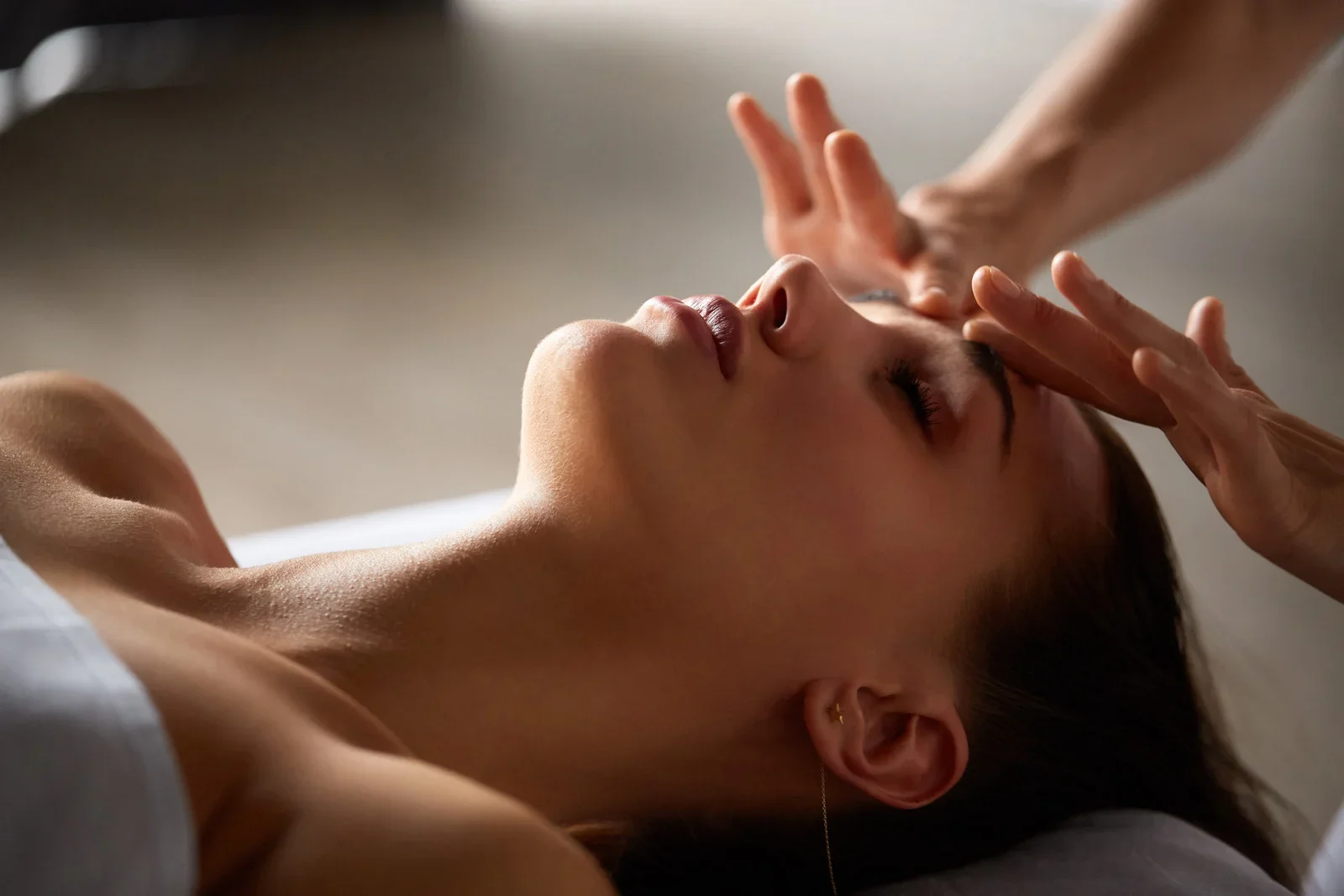
How Massage Therapy Can Alleviate Anxiety Symptoms
Are you struggling with anxiety that disrupts your daily life? You're not alone; many individuals experience this overwhelming sense of worry. In this article, I will share how massage therapy can effectively alleviate anxiety symptoms, focusing on techniques that support relaxation and enhance well-being. According to the Mayo Clinic, massage is increasingly offered along with standard treatment for a wide range of medical conditions and situations, including anxiety. We will explore the personalized approach at Keep It Kinetic Chiropractic and discuss how our licensed massage therapists tailor treatments to meet your needs. This content aims to empower you with practical tips and insights that can lead to a calmer, more centered life.
Key Takeaways
Massage therapy effectively alleviates anxiety by calming the nervous system and relieving muscle tension
Personalized approaches during sessions help address individual emotional and physical needs for better outcomes
Regular massage can improve emotional resilience and overall well-being by reducing anxiety symptoms over time
Techniques like aromatherapy and trigger point therapy enhance relaxation and promote a sense of peace
Combining massage with mindfulness and exercise further supports anxiety relief and emotional stability
Understanding Anxiety and Its Symptoms
Anxiety is characterized by feelings of unease and worry that can manifest in various ways, like increased heart rate or muscle tension. It significantly impacts the body, leading to heightened stress responses and physical discomfort, such as strains and sprains, which may require chiropractic services. Moreover, anxiety affects mental health, impairing communication and daily activities, ultimately diminishing overall well-being. Understanding these aspects can help us explore how massage therapy, provided by a Licensed Massage Therapist, serves as an effective anxiolytic approach to alleviating these symptoms.
Defining Anxiety and Its Common Manifestations
Anxiety often presents as persistent feelings of unease or apprehension, which can vary in their impact and intensity. Common manifestations include increased heart rate, heightened muscle tension, and even discomfort in areas like the knee. Recognizing these symptoms is essential, as they can significantly interfere with daily life and overall well-being. Understanding how these physical responses can occur with anxiety allows us to better appreciate the value of interventions, such as massage therapy provided by a licensed massage therapist and chiropractic services, that specifically target muscle relaxation and stress relief.
As a licensed massage therapist at keep it kinetic chiropractic, I see clients experiencing anxiety who frequently report physical symptoms that contribute to their discomfort. This might involve tightness in their muscles or an overwhelming sense of stress that feels almost unbearable at times. With regular sessions, scheduled through kik chiro scheduling, I encourage individuals to experiment with different techniques to relieve anxiety, often specifying those that focus on high-frequency muscle relaxation methods. These targeted practices, offered through chiropractic services, can facilitate relief and help restore a sense of calm and stability in their lives.
Anxiety often leads to increased heart rate and muscle tension.
Symptoms can include discomfort in areas like the knee.
Physical responses vary in intensity and can interfere with daily life.
Massage therapy can specifically target muscle relaxation and stress relief.
Regular sessions can relieve anxiety effectively over time.
The Physiological Impact of Anxiety on the Body
Anxiety triggers various physiological responses in the body, often leading to discomfort and distress. Increased heart rates and muscle tension are common, as the body prepares itself for perceived threats. This heightened state can result in difficulties with sleep and digestion, as the body remains in a constant state of alertness. As a licensed massage therapist providing chiropractic services, I work with clients and emphasize the importance of recognizing these signs, as they can significantly impact daily activities and overall well-being.
In my practice, I have observed how manual therapy techniques, including those influenced by traditional Chinese medicine, can provide significant relief. As a licensed massage therapist, these methods focus on restoring balance in the body and promoting relaxation, which can ease the physical symptoms of anxiety. Incorporating regular massage therapy into one's routine not only helps reduce stress but also fosters open conversations about mental health, encouraging individuals to explore solutions that enhance their well-being. This holistic approach complements chiropractic services and supports a healthier, more relaxed state of mind.
Anxiety triggers various physiological responses.
Heightened heart rates and muscle tension can interfere with daily activities.
Manual therapy techniques help restore balance and promote relaxation.
Massage can reduce stress and foster open conversations about mental health.
This holistic approach enhances overall well-being.
Psychological Effects of Anxiety Disorders
Anxiety disorders can significantly affect individuals, influencing both mental and physical well-being. As a licensed massage therapist, many clients I see report feelings of overwhelming stress, which often manifests as discomfort in areas like the shoulder and hip. This tension not only disrupts daily activities but also creates a cycle of worry that feels hard to escape, highlighting the importance of effective stress management strategies offered by chiropractic services.
Through my experience as a licensed massage therapist, I have noticed that addressing these psychological effects is vital for fostering a sense of calm. Clinical trials have shown that integrating massage therapy with chiropractic services can decrease anxiety levels and promote relaxation. By focusing on those tense areas during treatment at keep it kinetic chiropractic, I encourage individuals to release pent-up stress, paving the way for improved emotional health and a more peaceful state of mind.
How Anxiety Affects Daily Life and Overall Well-Being
Anxiety can profoundly impact daily life, leading to challenges that affect cognition and physical health. For instance, I've seen clients struggle to complete daily tasks due to increased stress levels, which may cause elevated blood pressure and tension within the connective tissue. Utilizing chiropractic services from keep it kinetic chiropractic and consulting a licensed massage therapist can help alleviate this physical discomfort, making it difficult for them to engage fully in work, family, and social activities, ultimately diminishing their overall well-being.
In my practice, I emphasize how anxiety creates a cycle of distress that can feel overwhelming. Clients often express feeling constantly on edge, leading to avoidance behaviors that disrupt their routines. By incorporating alternative medicine approaches like a licensed massage therapist and chiropractic services, individuals can find relief from these symptoms, allowing them to reclaim their lives and restore a sense of balance. This holistic approach not only eases physical tension but also nurtures emotional resilience, fostering a more peaceful state of mind.
The Role of Massage Therapy in Managing Anxiety
Massage therapy provided by a licensed massage therapist focuses on calming the nervous system and alleviating feelings of worry through various techniques. I will discuss scientific evidence backing its effectiveness in reducing anxiety, explore specific types of massage that promote relaxation and coping, and address the optimal frequency and duration of sessions to maximize these benefits. Understanding who we treat and these aspects can lead to a deeper appreciation of how massage can ease symptoms like tension and even nausea.
Overview of Massage Therapy and Its Principles
Massage therapy serves as a restorative practice, focusing on soothing tense muscles and calming the nervous system. As a licensed massage therapist, I often emphasize how massage can stimulate the release of beneficial neurotransmitters, which can help reduce anxiety levels naturally. This holistic approach, including chiropractic services, not only addresses physical discomfort, such as tightness in the ankle from an injury, but also aids in the reduction of stress hormones that contribute to feelings of overwhelm.
By implementing specific techniques tailored to each individual's needs, I strive to promote relaxation and an overall sense of well-being. As a licensed massage therapist, for those contemplating alternatives to medication, massage therapy can be a gentle yet effective way to manage symptoms. The connection between physical tension and emotional stress is profound, and through chiropractic services, I witness clients finding comfort and relief in both mind and body.
Massage therapy calms the nervous system.
It stimulates the release of neurotransmitters.
It helps reduce stress hormones.
Therapeutic techniques target individual discomforts.
It serves as an alternative to medication.
Scientific Evidence Supporting Massage for Anxiety Relief
Scientific studies from trusted medical resources such as Mayo Clinic support the role of massage therapy in reducing stress and promoting relaxation. In my experience, systematic reviews have provided compelling evidence that massage therapy can effectively support anxiety relief. Research shows that regular sessions with a licensed massage therapist can lead to lower heart rates and reduced levels of stress hormones in the body. This connection between chiropractic services and emotional well-being underscores the importance of incorporating therapeutic touch as a valuable component in a holistic approach to reducing anxiety.
Additionally, I have seen how integrating practices such as meditation with massage therapy and chiropractic services can further enhance the benefits. Clients often report feeling a profound sense of calm after combining these approaches, which not only alleviates tension but also fosters a deeper relaxation response. This synergy, facilitated by a licensed massage therapist, helps create a more balanced emotional state, contributing to a healthier mindset and overall well-being.
Types of Massage Techniques Effective for Anxiety Reduction
As a licensed massage therapist, in my practice, I often incorporate various massage techniques tailored to help ease anxiety symptoms effectively. Soft tissue massage focuses on releasing tension in the muscles and fascia, creating a soothing experience that can foster a sense of happiness and calm. Techniques such as stretching can gently elongate tight muscles, promoting relaxation and encouraging deeper breathing, which often leads to a decrease in anxiety levels. Understanding who we treat allows for personalized approaches in each session.
Another technique I find particularly beneficial is stone massage, where heated or cooled stones are strategically placed on the body. As a licensed massage therapist, this method not only alleviates muscle tension but also enhances the overall experience, contributing to emotional stability. I sometimes integrate chiropractic services and acupuncture principles into my sessions, as they can further support relaxation and balance in the body, addressing both physical and emotional aspects of anxiety in a holistic manner. Understanding who we treat helps tailor these therapies effectively.
Frequency and Duration of Massage Sessions for Optimal Effects
In my practice, as a licensed massage therapist, I've found that the frequency and duration of massage therapy sessions play a significant role in alleviating anxiety symptoms. Regular sessions, ideally scheduled once a week through Keep It Kinetic Chiropractic scheduling, can build a consistent routine that enhances flexibility and promotes relaxation. The pressure applied during these treatments, whether through deep tissue techniques or gentle stroking, effectively targets tense areas, making it easier to navigate daily stressors associated with chronic stress.
Term:
I often recommend sessions lasting between 60 to 90 minutes at keep it kinetic chiropractic, as this allows ample time to address specific muscle groups, including those sensitive areas around the elbow. This duration not only fosters complete relaxation but also reinforces the body’s natural healing processes through our chiropractic services. By committing to a routine, clients can experience a gradual reduction in anxiety levels, paving the way for a calmer, more balanced life.
Weekly sessions enhance flexibility and relaxation.
Pressure techniques target tense muscles effectively.
Sessions of 60 to 90 minutes provide adequate treatment time.
Regular therapy helps manage chronic stress.
Specific Techniques for Alleviating Anxiety Symptoms
In my practice as a licensed massage therapist, I utilize various techniques to effectively alleviate anxiety symptoms through massage therapy. Swedish massage techniques promote calmness and relaxation, while deep tissue massage addresses muscle tension, including areas like the rotator cuff. Aromatherapy enhances mood through soothing scents, and trigger point therapy provides targeted relief. Additionally, reflexology practices support holistic well-being, reflecting the significance of therapeutic touch in boosting neurotransmitters like dopamine and soothing the nervous system. We also offer chiropractic services to provide comprehensive care.
Swedish Massage Techniques and Their Calming Effects
Swedish massage techniques, provided by our licensed massage therapist, are highly effective in alleviating anxiety symptoms by promoting relaxation and reducing occupational stress from environments like smelly moldy houses. Through gentle, flowing strokes, this technique stimulates circulation and encourages the body to lower levels of adrenaline, allowing muscles to release tension. I often observe how clients leave sessions feeling rejuvenated and more connected to their bodies, which can also lead to an enhanced immune system response, supporting overall health and well-being through our chiropractic services.
Incorporating Swedish massage into a regular self-care routine can be an excellent strategy for managing fatigue often associated with anxiety. By taking time to unwind through these soothing techniques, clients can better navigate the pressures of daily life, helping mitigate feelings of overwhelm. As a practitioner, I emphasize the critical role of this massage style in fostering a tranquil mind and body, guiding my clients toward reclaiming their peace.
Promotes relaxation and reduces occupational stress.
Stimulates circulation and lowers adrenaline levels.
Enhances immune system response and overall health.
Helps manage fatigue associated with anxiety.
Fosters a tranquil mind and body.
Deep Tissue Massage and Its Role in Muscle Tension Release
Deep tissue massage plays a crucial role in releasing muscle tension and alleviating the physical symptoms of stress. As a practitioner, I often observe how this technique focuses on the deeper layers of muscle tissue, helping to relieve tightness and enhance circulation. This targeted relief is particularly beneficial for patients experiencing chronic stress or anxiety, as it can address the underlying muscle tension that often contributes to their discomfort.
During my sessions, I sometimes integrate aspects of traditional Thai massage and acupressure techniques to enhance the effects of deep tissue work. These methods complement the massage by applying pressure to specific points on the body, further promoting relaxation and balance. By addressing muscle tension through these combined approaches, patients can achieve a sense of calm, making it easier to navigate their daily challenges and improve their overall emotional well-being.
Deep tissue massage releases tight muscle tissue.
Focus on deeper layers enhances circulation.
Integrating traditional Thai massage can further relieve stress.
Acupressure targets specific points for added relaxation.
Combined techniques promote emotional well-being.
Aromatherapy Massage and Scent's Impact on Mood
Aromatherapy massage combines the healing benefits of therapeutic touch with the calming effects of essential oils, creating a unique way to alleviate anxiety symptoms. The scents used during the massage can engage the brain in a profound way, influencing emotions and enhancing relaxation. For instance, oils like lavender or chamomile are known for their calming properties, making it easier for clients to focus on their breathing and find tranquility amidst their daily stressors.
During sessions, I often apply essential oils with gentle pressure to target areas of tension, like the neck and shoulders, using my fingers to administer relief. This method not only helps to ease muscle discomfort, such as when clients mention tightness from shin splints, but it also promotes emotional well-being by elevating mood. By integrating aromatherapy into our massage sessions, we create a holistic approach that nurtures both the body and mind, supporting clients in achieving a greater sense of peace.
Aromatherapy massage uses essential oils for calming effects.
Engaging the brain through scent influences emotions positively.
Focusing on breathing promotes relaxation during sessions.
Applying oils with gentle finger pressure addresses muscle tension.
Combining techniques supports overall emotional well-being.
Trigger Point Therapy for Targeted Anxiety Relief
Trigger Point Therapy is an effective method I often use to help relieve anxiety symptoms by focusing on specific muscle knots that contribute to physical tension. These knots can interfere with the central nervous system, causing heightened alertness and discomfort that complicates the feelings of anxiety. By applying targeted pressure to these areas, I assist in releasing built-up tension, which can promote the release of serotonin, enhancing relaxation and overall quality of life.
During my sessions, I guide clients to identify areas of tightness and directly address them through this focused technique. This approach not only helps ease muscle pain but also calms the mind, encouraging a restorative state that diminishes feelings of stress. Clients frequently report feeling more centered and relaxed, which fosters a positive impact on their mental health and well-being, allowing them to navigate daily challenges more effectively.
Trigger Point Therapy targets specific muscle knots.
It promotes the release of serotonin for improved mood.
The technique enhances relaxation and quality of life.
It calms the central nervous system and reduces alertness.
Clients often feel more centered and relaxed after sessions.
Reflexology Practices for Holistic Well-Being
In my experience, reflexology practices can significantly enhance overall well-being by targeting specific pressure points on the feet and hands. This technique stimulates the body's natural healing mechanisms and has been shown to alleviate symptoms associated with stress and anxiety. For instance, in a randomized controlled trial, individuals experiencing delayed onset muscle soreness found relief as reflexology helped promote recovery and relaxation, illustrating its effectiveness in managing various discomforts.
By incorporating myofascial release techniques within reflexology sessions, I often guide clients through a process that not only addresses physical tension but also nurtures mental well-being. The feeling of relaxation that follows can be profound, allowing individuals to reconnect with their bodies. This holistic approach serves as a gentle reminder that nurturing our well-being is essential in coping with the challenges life presents, including the stressors linked to different diseases.
Conclusion
Massage therapy plays a vital role in alleviating anxiety symptoms by promoting muscle relaxation and calming the nervous system. By incorporating targeted techniques—such as Swedish, deep tissue, and aromatherapy massage—individuals can experience significant reductions in stress and an overall sense of well-being. Regular sessions foster emotional resilience, making it easier to navigate daily challenges. Prioritizing massage therapy as part of a holistic approach enhances not only physical comfort but also emotional health, allowing for a more balanced and peaceful life.
Ready to move better, feel stronger, and live pain-free? Keep It Kinetic Chiropractic helps you get back to doing what you love, naturally. Schedule your visit today and start feeling your best!
📍 Address: 3254 W Ridge Pike, Suite 202, Pottstown, PA 19464
📞 Phone/Text: 484-455-4664
📠 Fax: 484-455-4498
📧 Email: KeepItKineticChiro@gmail.com
🌐 Website: https://www.kikchiro.com